
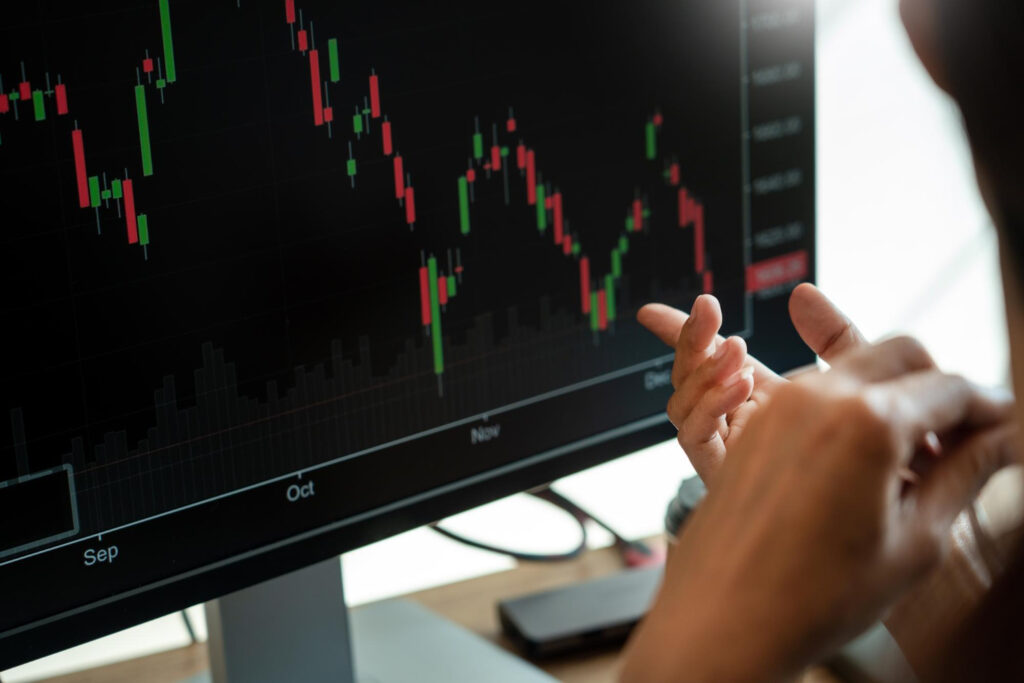
In the volatile Philippine Stock Exchange (PSE), a hidden cost lurks in every trade: the trading spread. This bid-ask gap silently erodes returns for Filipino investors, amplified by local liquidity challenges during PSE hours.
Discover why spreads hit day traders hardest, how they stack up against commissions, broker variations in the PH market, and proven strategies.
What Are Trading Spreads?
The trading spread represents the difference between the bid price (what buyers pay) and ask price (what sellers receive), directly impacting every transaction’s profitability. For SM stock on the Philippines Stock Exchange (PSE), a typical quote shows bid at 35.50 and ask at 35.75, creating a 25c spread. This price difference acts as a built-in cost for Filipino investors in stock trading.
The basic spread formula is simple: Spread = Ask Price – Bid Price. In this SM example, 35.75 – 35.50 = 0.25 per share. Retail investors face this cost on every buy or sell, making spread width a key factor in investment costs alongside brokerage fees.
| Bid Levels (Buyers) | Price () | Size | Ask Levels (Sellers) | Price () | Size |
| Level 1 | 35.50 | 1,000 | Level 1 | 35.75 | 500 |
| Level 2 | 35.45 | 800 | Level 2 | 35.80 | 700 |
| Level 3 | 35.40 | 600 | Level 3 | 35.85 | 900 |
| Level 4 | 35.35 | 400 | Level 4 | 35.90 | 300 |
| Level 5 | 35.30 | 200 | Level 5 | 35.95 | 400 |
PSE data highlights average spreads around 0.45% for local stocks, wider than NYSE at 0.12% due to emerging markets and lower liquidity. Filipino investors in day trading or swing trading feel this more than long-term investing. Tight spreads aid cost efficiency, while wide spreads increase hidden costs during market volatility.
Bid-Ask Spread Explained
Market makers quote SM stock at bid 35.50 (highest buy offer) and ask 35.75 (lowest sell offer), creating a 25c spread per share. This bid-ask spread ensures order execution but embeds profit for providers. Retail investors in the Philippines encounter it across PSE trading hours.
- A retail buy order hits the ask at 35.75, paying the full seller price.
- A retail sell order hits the bid at 35.50, receiving the buyer offer.
- Market makers profit the 25c difference per share on matched trades.
In PSE order books, deeper levels show market depth with varying sizes, affecting slippage in low trading volume. For forex trading, Philippine brokers average 1.5 pip spread on EUR/USD, tighter in high-frequency trading. Fixed spreads stay constant, while variable spreads widen in volatility like BSP interest rate news.
Choosing ECN brokers offers tighter spread impact but adds commissions, suiting scalping strategies. Local platforms like COL Financial display real-time books for blue-chip stocks. Understanding this helps risk management and portfolio diversification for Pinoy traders.
Why Spreads Matter to Filipino Investors
Filipino traders often overlook how trading spreads cut into returns. These bid-ask spreads represent the price difference between buy and sell orders. For a 10,000 PSE trade with a 0.45% spread, the cost hits 45, far exceeding a typical 20 commission.
Over time, spread impact compounds significantly for retail investors. Consider a 52-week view on a 100,000 portfolio traded weekly with 0.3% average spreads. Cumulative losses from these hidden costs can erode gains, as shown below.
| Weeks | Trades | Spread Cost () | Total Loss () |
| 13 | 13 | 390 | 390 |
| 26 | 26 | 780 | 780 |
| 39 | 39 | 1,170 | 1,170 |
| 52 | 52 | 1,560 | 1,560 |
ROI examples highlight the issue clearly. A projected 12% return on a 50,000 investment drops to 9.5% after accounting for spreads in multiple trades. Filipino investors using platforms like COL Financial or international brokers face this in both PSE stock trading and forex trading.
Experts recommend monitoring spread width during high market volatility, such as PSE trading hours. Tight spreads from ECN brokers aid day trading, while wide spreads hurt swing trading. Building awareness improves cost efficiency and long-term profitability.
Philippine Market Specifics
PSE’s emerging market status creates wider spreads (avg 45bps) than developed markets due to lower liquidity and higher volatility. Filipino investors face higher trading costs on the Philippines Stock Exchange compared to global peers. This affects order execution and profitability in stock trading.
The PSE averages 15B daily volume, much smaller than the NYSE’s $200B. Wider bid-ask spreads mean a larger price difference between buy price and sell price. Retail investors notice this most in small-cap stocks, where spreads run 2-3x those of blue-chips based on 2023 PSE data.
Peso volatility also impacts USD/PHP forex spreads, often 3-5 pips daytime. This raises hidden costs for currency trading tied to PSE investments. Traders using international brokers see variable spreads widen during Philippine economic news.
For risk management, focus on blue-chip stocks like JFC or banking stocks during high liquidity. Avoid penny stocks with wide spreads that eat into returns. Diversify with ETFs or REITs to cut overall spread impact.
PSE Trading Hours and Liquidity
PSE trades 9:30AM-3:00PM PH time with peak liquidity 10AM-12PM; spreads widen 30-50% pre-market (8:30AM) and after-hours. Hourly spread variation shows tightest conditions mid-morning. This pattern helps day traders plan around market depth.
| Time | Average Spread (bps) |
| 9:30AM | 20bps |
| 11AM | 15bps (peak) |
| 2:30PM | 35bps |
PSE Edge data highlights JFC spreads averaging 18bps 10-11AM vs 42bps 2-3PM. Liquidity drops in the afternoon due to fewer institutional investors. Swing traders adjust by entering positions early.
Best trading windows include:
- 9:45-11:15AM for tight spreads
- 1-2PM before afternoon widening
- Avoid 2:30-3PM to limit slippage
Filipino investors using platforms like COL Financial benefit from these windows for cost efficiency. Pair with technical analysis like moving averages during peak hours. This boosts win rates in volatile emerging markets.
Direct Cost Impact on Returns
A 0.45% PSE spread on 100 round-trip trades annually reduces 12% target return to 7.55%, a 37% performance drag. Filipino investors often overlook how this bid-ask spread erodes profits in stock trading. Each trade captures value between the buy price and sell price.
Consider an initial 100K investment growing to 112K at 12% return. After accounting for spreads on frequent trades, it drops to 107.55K. This shows the spread impact on investor returns, especially for active traders on the Philippines Stock Exchange.
Trading frequency amplifies the issue. For 10 trades per month, spreads create a 1.8% drag on returns. At 50 trades per month, this rises to 8.2%, highlighting why long-term investing suits retail investors better than day trading.
Data from COL Financial clients reveals active traders lose an extra 2.1% to spreads yearly. Tools like a return erosion calculator help model this. Focus on cost efficiency through fewer trades and tight spreads to boost profitability.
Spread vs. Commission Comparison
COL Financial charges 0.25% commission + 0.45% PSE spread = 0.70% total vs BPI Trade’s 0.125% + 0.50% spread = 0.625%. This spread vs commission difference matters for Filipino investors. Total transaction fees determine net returns in PSE trading.
| Broker | Commission | Avg Spread | Total Cost | Best For |
| COL Financial | 0.25% | 45bps | 70bps | Long-term investing |
| BPI Trade | 0.125% | 50bps | 62.5bps | Frequent trading |
| First Metro | 0.30% | 40bps | 70bps | IPOs and derivatives |
A breakeven analysis shows 20+ trades per month favor lower spreads like BPI Trade. For swing trading or position sizing, calculate total costs per round trip. This aids trading strategy choices amid PSE market volatility.
Online brokers vary in brokerage fees and liquidity. Local options like COL suit buy-and-hold with blue-chip stocks. Frequent traders benefit from competitive spreads in high-volume sectors like banking stocks or REITs.
Effects on Different Trading Styles
Day traders face 10x higher relative spread costs at 4.5% of profits compared to 0.45% for long-term investors. This gap arises because high-frequency trading amplifies the impact of bid-ask spreads on overall investment costs. Filipino investors on the Philippines Stock Exchange must consider these differences across styles.
Day trading involves 50+ trades per month, where spreads can eat up 15% of costs. Swing trading, with 5-10 trades, sees spreads at about 3% of expenses. Long-term investors, making just 1-2 trades yearly, face only 0.5% from spreads.
Pinoy trader forums highlight how day traders often lose profitability to these hidden costs. Minimum thresholds include daily activity for day trading, weekly checks for swing, and quarterly reviews for long-term. Adjusting strategies helps manage spread impact in volatile PSE conditions.
Factors like market volatility and liquidity affect all styles, but short-term approaches suffer most. Retail investors can use demo trading to test spread effects before live forex or stock trading. This awareness boosts cost efficiency and risk management.
Day Trading Vulnerabilities
Day trading JFC 20x daily with 18bps spreads costs 3,600 per month, or 12% of 30K profits, exceeding COL Financial commissions. For a 50K position over 20 round-trips, spreads total 1,800 plus 500 in fees. These transaction fees quickly erode gains for Filipino day traders.
Day trading vulnerabilities include several key risks tied to spreads:
- Intraday spread widening to 40bps from the 18bps average during PSE trading hours.
- Slippage on fast moves, especially in low-liquidity stocks like penny stocks or USD/PHP pairs.
- Volume requirements that demand high trading volume for tight spreads.
- ECN minimums from brokers, adding to order execution costs.
PSE’s T+2 settlement worsens these issues by delaying funds, forcing reliance on margin trading. High-frequency strategies like scalping amplify wide spreads in emerging markets. Investors should prioritize low-spread brokers for better profitability.
To counter this, use stop-loss orders and monitor market depth via platforms like MetaTrader. Backtesting with historical spreads reveals true costs. Pinoy traders in forums stress position sizing to limit spread impact on daily returns.
Broker Spread Variations in PH
PSE brokers vary 35-65bps: BPI Trade (50bps JFC), COL Financial (45bps), First Metro (38bps best); forex brokers average 1.8 pips EUR/USD. Filipino investors face different trading spreads depending on the broker type. Local PSE brokers often charge wider bid-ask spreads on stocks like JFC due to lower liquidity in the Philippines Stock Exchange.
ECN brokers like IC Markets PH offer tighter spreads through direct market access, ideal for high-frequency trading. Market makers, such as AAAfx PH, provide fixed spreads but may include hidden costs like slippage during market volatility. BSP 2023 broker review data highlights these differences in spread width for better cost efficiency.
For forex trading, pairs like USD/PHP show variable spreads affected by Bangko Sentral ng Pilipinas interest rates. Retail investors benefit from comparing PSE spreads and pip spreads to optimize profitability. Use demo accounts to test order execution across platforms like MetaTrader.
| Broker | PSE Spread (JFC) | Forex EUR/USD | Min Deposit | Regulation |
| BPI Trade | 50bps | N/A | PHP 10,000 | SEC Philippines |
| COL Financial | 45bps | N/A | PHP 5,000 | SEC Philippines |
| First Metro Sec | 38bps | N/A | PHP 25,000 | SEC Philippines |
| Tokenmetrics | 55bps | 2.2 pips | PHP 1,000 | BSP |
| AAAFx PH | N/A | 1.5 pips (fixed) | USD 100 | CySEC |
| IC Markets PH | N/A | 0.1 pips (ECN) | USD 200 | FSCA, ASIC |
Strategies to Minimize Spread Costs
Trade PSE blue-chips (JFC, SM) during 10-11AM peak liquidity using limit orders to capture 15bps vs 45bps market spreads. This approach narrows the bid-ask spread for Filipino investors by targeting high-volume hours on the Philippines Stock Exchange. Limit orders ensure execution at your desired buy price or sell price, avoiding slippage from market orders.
Trading spreads represent hidden costs that erode profitability in stock trading and forex trading. Retail investors often face wider spreads during low liquidity periods, increasing overall investment costs. Smart strategies focus on liquidity, order types, and timing to achieve tighter spreads.
Experts recommend combining multiple tactics for cost efficiency. These methods suit day trading, swing trading, and long-term investing in the Philippine market. Below are seven practical strategies tailored for Filipino investors.
Key Strategies Overview
- Limit orders only: Place orders at specific prices to avoid crossing the spread, common in volatile PSE sessions.
- 10-11AM PSE window: Trade during peak hours when trading volume boosts market depth and tightens spreads on stocks like JFC.
- Blue-chips over small caps: Focus on liquid names such as SM or JFC, which offer narrower spreads than penny stocks due to institutional interest.
- Avoid news events: Steer clear of earnings reports or BSP interest rate announcements to dodge widened spreads from market volatility.
- Position sizing over 200K per trade: Larger trades attract better execution from market makers, reducing effective spread width.
- ECN brokers for forex: Use these for USD/PHP pair trading, as they provide direct market access with minimal markups over raw spreads.
- Weekly rebalancing vs daily: Limit adjustments to reduce frequent trades, cutting cumulative spread and commission costs in portfolio management.
Case Study: 35% Cost Reduction
One Filipino swing trader shifted to limit orders on blue-chips during peak PSE hours and adopted weekly rebalancing. This cut their average spread impact significantly, achieving a 35% reduction in trading costs over six months. They traded JFC and SM, avoiding news-driven volatility around inflation Philippines data.
Previously, daily market orders on small caps led to wide spreads and slippage. The new risk management approach improved net returns by focusing on high-frequency trading patterns without the costs. Position sizing above 200K further optimized order execution.
Regulatory Protections for Filipinos
SEC Philippines mandates maximum 1% total transaction costs (spread + commission) for stock brokers under SRC Rule 10.2(j). This cap helps Filipino investors control trading costs in stock trading on the Philippines Stock Exchange (PSE). It ensures spreads and fees stay reasonable for retail investors.
The Bangko Sentral ng Pilipinas (BSP) oversees forex licensing, approving only 22 brokers for currency trading like the USD/PHP pair. These rules protect against unregulated risks in forex trading. Investors benefit from licensed platforms with transparent bid-ask spreads.
PDTC enforces T+2 settlement for secure order execution and reduced slippage. CMP disclosure requirements force brokers to reveal all hidden costs, including variable spreads during market volatility. See SEC Memo Circular 2022-015 for full details on these investor protections.
For risk management, always verify broker compliance before trading stocks, forex, or derivatives. These measures promote cost efficiency and fair practices in emerging markets like the Philippines.
Key Red Flags to Avoid
Watch for offshore brokers without SEC or BSP approval, as they often hide wide spreads and high withdrawal fees. Guaranteed spreads sound appealing but signal potential scams in volatile markets. High minimum deposits can trap retail investors with poor liquidity.
Other warnings include promises of fixed low spreads without commissions, which ignore real market makers dynamics. Avoid platforms pushing aggressive leverage without clear margin trading risks. These tactics prey on investor psychology like FOMO trading.
Broker Verification Checklist
Use this simple checklist to check brokers for trading spread fairness and compliance. Start by confirming SEC or BSP licensing for PSE or forex trading.
- Verify SEC registration via official channels and check Memo Circular 2022-015 compliance.
- Confirm BSP approval for forex brokers, limited to 22 licensed ones handling Philippine peso pairs.
- Review PDTC T+2 settlement support and CMP disclosures for all transaction fees.
- Compare spread width: Look for competitive variable spreads on platforms like MetaTrader, avoiding zero-spread gimmicks.
- Test deposit methods like GCash or bank transfers, and ensure low withdrawal fees.
- Check reviews in Pinoy traders forums for real experiences with order execution and slippage.
Follow this for safe trading strategies, from day trading to long-term investing in blue-chip stocks or REITs. It helps spot low-spread brokers suited for scalping or swing trading.
Frequently Asked Questions
How does trading spread affect Filipino investors’ overall trading costs?
Trading spread, the difference between the bid and ask price of an asset, directly impacts Filipino investors by increasing their effective trading costs. For instance, a wider spread means paying more when buying and receiving less when selling, which can erode profits especially in high-frequency trading common among local retail investors on platforms like those regulated by the SEC.
What is trading spread and why should Filipino investors care?
Trading spread refers to the gap between the buying (ask) and selling (bid) prices quoted by brokers. Filipino investors should care because in the Philippine Stock Exchange (PSE) or forex markets, narrow spreads reduce costs on peso-denominated trades, preserving capital amid fluctuating PHP exchange rates and high remittance-driven investments.
How do wider trading spreads disadvantage short-term Filipino investors?
Wider trading spreads disadvantage short-term Filipino investors, such as day traders in Manila, by amplifying transaction costs per trade. This is particularly burdensome for those trading volatile assets like Philippine blue-chip stocks, where frequent entries and exits multiply the spread’s impact on returns.
In what ways can Filipino investors minimize the effects of trading spreads?
Filipino investors can minimize trading spread effects by choosing brokers with tight spreads like international platforms accessible via GCash or bank integrations, trading during peak PSE hours for better liquidity, and focusing on high-volume stocks to avoid slippage in less liquid markets.
How does market volatility influence trading spreads for Filipino investors?
During high volatility, such as during global events affecting the PSEi, trading spreads widen for Filipino investors due to reduced liquidity. This raises costs for hedging peso risks or trading derivatives, potentially leading to higher losses for retail investors without sophisticated tools.
Are trading spreads more impactful for beginner Filipino investors?
Yes, trading spreads are more impactful for beginner Filipino investors who often overlook hidden costs. Starting with education on spread dynamics via PSE resources can help them select low-spread brokers, ensuring better long-term performance in building portfolios with local and global assets.
Related Posts

Nesting Necessities: Unexpected Yet Essential Items for the Modern Mom-to-Be
Preparing for a new baby can be an exciting yet…

Fibonacci Retracement Strategies on MT5 for Malaysian Stock Trading
Unlock hidden precision in Malaysian stock trading with Fibonacci retracement-the…

Hear This: The Non-Negotiable Features of Top-Tier Hearing Aids
Hearing aids play a crucial role in improving the quality…